
AI in Legal Compliance Management: A Comprehensive Guide
Introduction
Legal compliance is a significant challenge for modern law firms and corporate legal departments. With GDPR fines up to €20 million, HIPAA violations averaging $1.5 million, and SOX requirements risking imprisonment, traditional compliance methods like spreadsheets are insufficient. Legal compliance software now uses AI to monitor regulations, flag potential violations, and produce audit trails. This guide explores AI’s role in compliance management and essential insights for legal professionals.
Understanding AI-Powered Compliance Management Software
Compliance management software centralizes the tracking and documentation of regulatory adherence. Modern tools employ AI to automate tasks, drastically reducing the hours required by attorneys. AI platforms scan and analyze contracts, policies, and processes against regulatory frameworks, automatically identifying needed updates when regulations change. For example, AI can quickly flag missing GDPR clauses in vendor contracts. Luminance’s AI-powered contract management enhances efficiency in this area.
Using natural language processing, AI understands and matches regulations to practices. Machine learning finds patterns indicating potential violations. These systems comprehend context, recognizing differences in compliance obligations across business types.
Key features include continuous monitoring, proactive gap identification, and automated auditing, allowing legal departments to shift from reactive to proactive management.
AI Compliance Management Workflow:
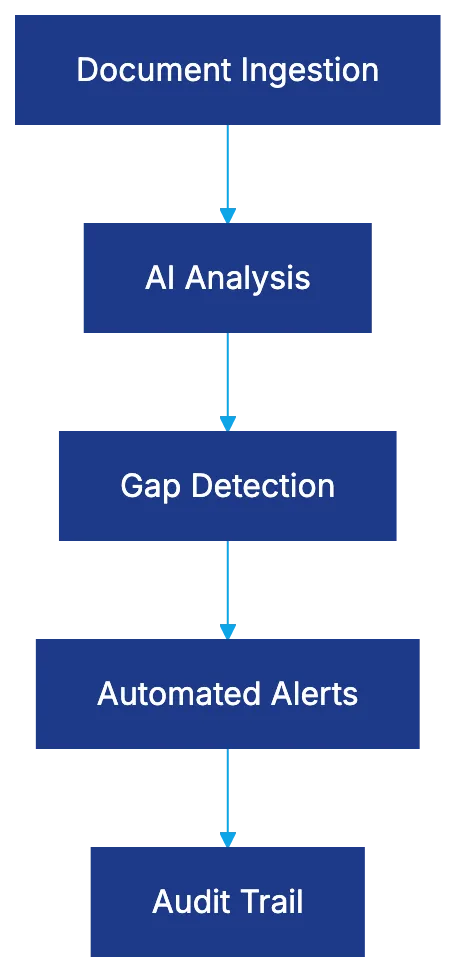
AI Compliance Monitoring: How It Works
AI compliance monitoring consists of several steps. Documents and data records are indexed into a repository, cataloging every obligation and requirement. The AI then maps these obligations against regulations, cross-referencing documentation and signaling gaps. Akira AI’s adaptive compliance ecosystems exemplify this approach.
Instead of periodic reviews, AI offers real-time monitoring. It flags new vendor contracts missing GDPR terms or unusual employee access to patient records. Automated updates incorporate regulatory changes such as California’s CPRA in 2023, providing specific remediation tasks.
AI compliance tools in financial services detect transaction patterns indicating issues, reducing false positives while catching suspicious activities missed by rigid rules.
Real-Time AI Monitoring Process:

Financial Services Compliance: SEC, FINRA, and OCC Requirements
Financial services firms comply with SEC, FINRA, and OCC regulations covering record retention, communication monitoring, and trading surveillance. For example, SEC Rule 17a-4 mandates electronic record preservation in non-rewritable formats, automated by compliance software. Ironclad’s contract lifecycle management supports such regulatory requirements.
FINRA requires monitoring trading activity for market anomalies, which AI tools effectively manage. In anti-money laundering, AI improves detection accuracy compared to traditional systems.
The OCC requires vendor due diligence and oversight documentation, which regulatory compliance AI automates by tracking compliance status and documentation.
Healthcare Compliance: HIPAA and Business Associate Management
Healthcare organizations must adhere to HIPAA protecting health information. Legal compliance software addresses common violation areas, managing business associate agreements efficiently. Legitt AI’s contract management software offers solutions tailored for healthcare compliance.
Such software maintains a registry of business associates, managing access control and audit logging under HIPAA’s Security Rule. AI identifies unusual access patterns, enabling proactive mitigation.
Encryption is critical under HIPAA for data at rest and transit, and compliance tools monitor encryption status to ensure compliance.
Data Privacy Compliance: GDPR, CCPA, and Global Requirements
Data privacy laws like GDPR influence global standards. Legal compliance tools handle overlapping requirements efficiently.
GDPR compliance involves AI-managed processing registers that update automatically. Tools streamline data erasure, subject access requests, and GDPR trigger identification.
CCPA and CPRA impose California-specific rules like GDPR, and compliance software manages both by data subject location.
Although GDPR doesn’t necessitate EU data storage, compliance software ensures proper data transfer safeguards.
SOC 2 Compliance: Trust Service Criteria and Audit Requirements
SOC 2 evaluates SaaS company security controls. Understanding SOC 2 helps choose compliance software supporting audits.
SOC 2 audits assess control design and effectiveness. Compliance software helps maintain audit trails and evidence collection, but doesn’t prevent breaches.
Compliance Document Lifecycle:
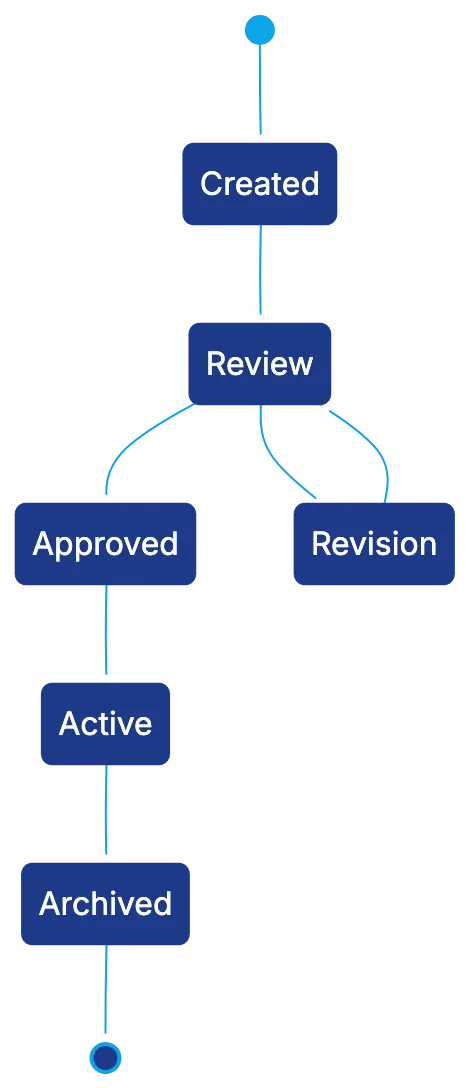
Audit Trail Capabilities: Documentation for Defense
Audit trails ensure regulatory defense by creating immutable, timestamped records. Credibility relies on immutability and cryptographic techniques avoid alteration.
User action logs and change histories facilitate compliance proofs, with prudent retention aligning with statutory limitations.
Combining with Contract Management for Obligation Tracking
Contracts introduce compliance obligations managed through integrated legal compliance and contract systems, ensuring obligation oversight from creation to conclusion.
Integrated systems track regulatory changes affecting agreements to ensure compliance.
Implementation Strategies and Best Practices
Successful implementation requires more than technology choice. Begin with a compliance inventory, then automate high-risk areas first.
Ensure thorough integration planning and adoption support through change management. Align tools with processes and test pilots to identify pre-deployment issues.
Common Pitfalls and How to Avoid Them
Avoid over-relying on automation. Tools aid but can’t replace expertise. Poor data quality and configuration drift cause compliance issues. Prevent alert fatigue with careful threshold tuning.
Selecting the Right Legal Compliance Tools
Choose tools aligned with obligations, with genuine AI and scalability. Evaluate user experience, vendor stability, support, and pricing models.
The Bottom Line
Compliance has evolved into AI-driven monitoring, essential for managing complex obligations. Select platforms with genuine AI and robust integration support, complemented by legal expertise. For overwhelmed professionals, AI tools offer comprehensive management—select the right tools and implement swiftly.
Frequently Asked Questions
What are the main advantages of using AI-powered compliance management software?
AI-powered compliance management software offers several benefits, including automation of manual tasks, real-time monitoring of regulatory changes, and enhanced accuracy in identifying compliance gaps. This allows legal departments to focus on strategic activities instead of repetitive administrative tasks.
How does AI improve the compliance monitoring process?
AI improves compliance monitoring by continuously indexing documents into a centralized repository and mapping obligations against regulatory requirements. This enables real-time alerts for any compliance gaps or anomalies, allowing organizations to act swiftly to mitigate risks.
What should organizations consider when implementing compliance software?
Organizations should start with a thorough compliance inventory and prioritize automating high-risk areas. Effective integration planning, user training, and change management are essential to ensure a smooth transition and to identify potential issues before full deployment.
How can legal departments avoid common pitfalls in compliance management?
To avoid pitfalls, legal departments should not overly rely on automation and must ensure data quality is maintained. Additionally, they should monitor thresholds carefully to prevent alert fatigue, which can undermine compliance efforts.
What regulatory requirements does AI compliance software help with in the financial services sector?
In the financial services sector, AI compliance software assists in meeting various requirements, including record retention, communication monitoring, and accurate trading surveillance. It automates compliance with regulations from entities such as the SEC, FINRA, and OCC.
How does compliance software address healthcare regulations like HIPAA?
Compliance software for healthcare ensures adherence to HIPAA regulations by managing business associate agreements and auditing access logs. AI tools help detect unusual access patterns and monitor encryption status to maintain compliance.
What factors should be taken into account when selecting legal compliance tools?
When selecting legal compliance tools, organizations should evaluate the tools' alignment with their specific obligations, quality of AI technology, user experience, vendor stability, and support options. Additionally, pricing models should be considered to ensure overall value.
Related Articles

E-Discovery Platform Selection Guide for 2026
Discover the top e-discovery platforms with AI, pricing insights, and TAR capabilities for efficient litigation management.

Ironclad's Unique Approach to Contract Management
Explore Ironclad's innovative contract management platform, emphasizing automation, AI, and seamless integrations for legal teams.
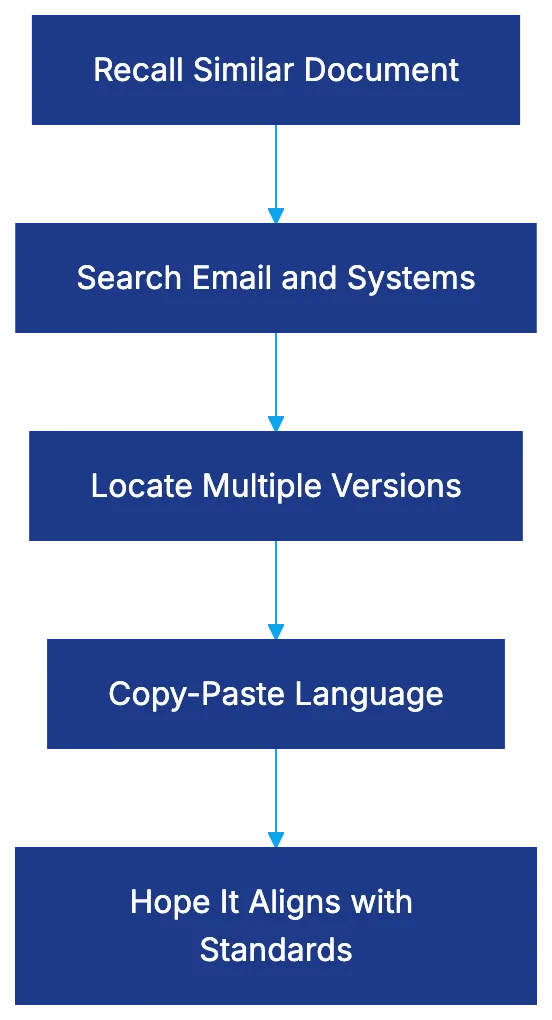
The Importance of Clause Libraries in Legal Practice
Explore how clause libraries enhance contract management efficiency and compliance in legal practices through standardized language.