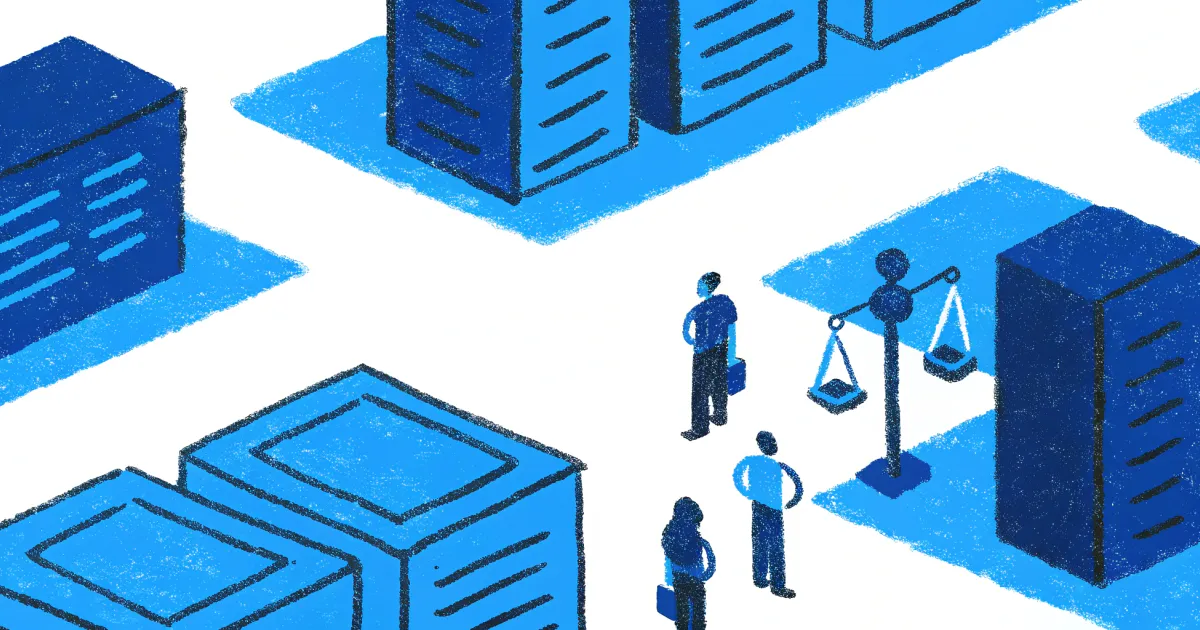
Understanding Contract Analytics Software
What Contract Analytics Software Actually Does
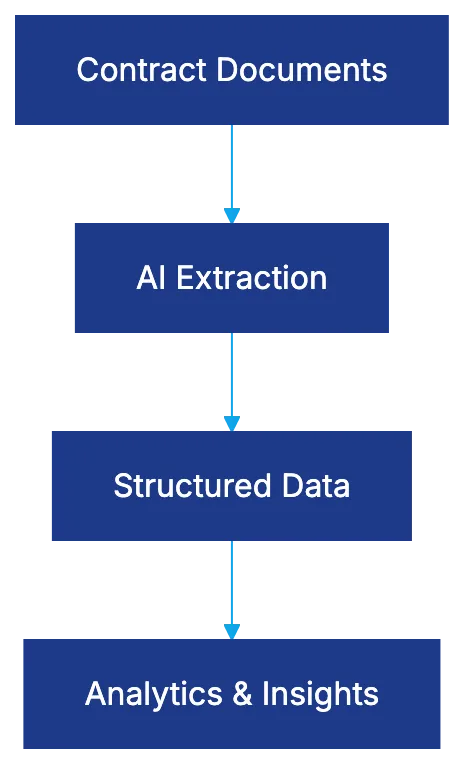
Contract analytics software converts static legal agreements into queryable data sources. Legal teams use AI contract analytics platforms to extract, categorize, and analyze terms across their entire contract inventory. This technology reads contracts like a trained attorney, identifying obligations, deadlines, risk clauses, pricing terms, and deviations from standard language, but with more speed and scale. Tasks that might take a paralegal weeks manually are completed in hours or minutes.
Legal departments face practical scenarios where this is valuable, such as identifying vendor agreements lacking data protection language when new privacy regulations pass, or finding contracts with change-of-control provisions when a supplier is acquired. During budget season, finance departments need data on auto-renewal exposure for the upcoming fiscal year. Contract data analytics platforms convert agreements into structured data, enabling proactive monitoring instead of reactive searching.
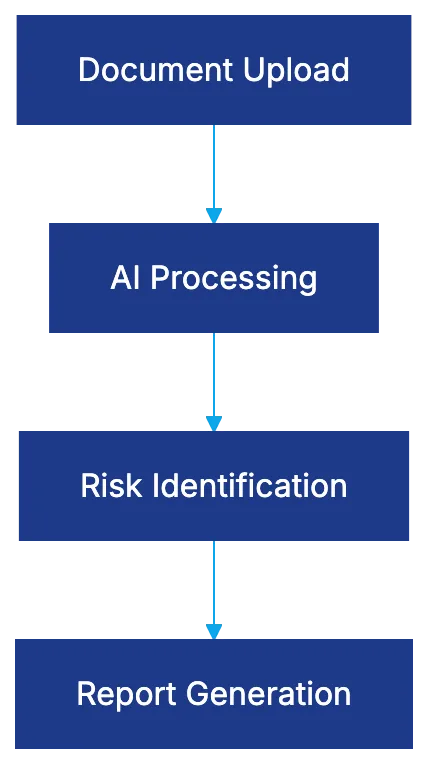
Contract Analytics Process Flow:
The Core Extraction Capabilities
Modern contract analytics platforms recognize hundreds or thousands of legal concepts. Kira Systems developed over 1,400 Smart Fields covering more than 40 areas, embodying roughly 45,000 lawyer hours of training and refinement. Kira Systems exemplifies this capability. These Smart Fields identify details from administrative to complex provisions like most-favored-nations clauses and layered liability caps.
Luminance automatically extracts over 1,000 legal concepts without prior specification, using trained understanding of legal language patterns. Luminance exemplifies this capability. Evisort’s model, trained on over 11 million contracts and 1 billion data points, recognizes term variations across industries and jurisdictions. Evisort exemplifies this capability.
The CUAD benchmark by The Atticus Project standardizes testing for contract analysis tools. With over 500 contracts and 13,000 annotations, it indicates that complex legal provisions typically require at least 10,000 training annotations per provision type. Atticus Project exemplifies this capability. Vendors showcasing CUAD scores demonstrate extraction accuracy confidence.
Extraction focus depends on contract type and use case. Vendor agreements often require payment terms, renewal provisions, and data security requirements. Employment contracts need details on non-compete durations and equity vesting schedules. Real estate leases demand information on square footage and rent escalation.
Generative Smart Fields Change the Game
Traditional vs Generative Extraction Approaches:
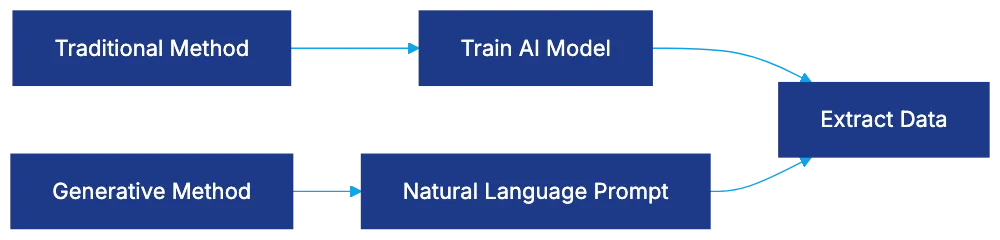
Traditional analytics needed AI model training for each data point extraction, creating a barrier for one-off queries and custom provisions. Generative Smart Fields eliminate this by using language models to extract data points from natural language prompts. Instead of training a model, you describe the desired data in plain English, optimizing swift insight gathering from agreements and enhancing contract intelligence efforts.
Frequently Asked Questions
How can contract analytics software benefit my legal team?
Contract analytics software streamlines the extraction and analysis of contract data, allowing legal teams to quickly identify key information in agreements. This saves time and reduces the risk of missing critical clauses or obligations, ultimately improving compliance and decision-making processes.
What types of contracts can benefit from analytics?
Contract analytics can be applied across various contract types, including vendor agreements, employment contracts, and real estate leases. Each type typically requires focusing on specific details, such as payment terms and non-compete clauses, tailoring the analytics process to meet the unique needs of each contract category.
What is the difference between traditional and generative extraction approaches?
Traditional extraction methods require specific AI model training for each type of data point, which can limit flexibility. In contrast, generative extraction uses language models to derive information from natural language queries, making it easier and faster to obtain insights without extensive pre-training.
How does contract analytics software improve compliance with new regulations?
Contract analytics software helps organizations quickly identify existing contracts that may lack compliance-related language, such as data protection clauses, particularly when new regulations arise. This proactive approach allows legal and compliance teams to address potential risks before they become problematic.
What should I consider when choosing a contract analytics platform?
When selecting a contract analytics platform, consider factors like the range of legal concepts it can recognize, integration capabilities with existing systems, user-friendliness, and customer support. Additionally, look for vendors that demonstrate high accuracy rates in extraction through benchmarks like the CUAD standard.
Can contract analytics help with budget forecasting?
Yes, contract analytics can provide finance departments with valuable insights such as auto-renewal exposure and contractual obligations that may impact budgets. By analyzing contracts, organizations can make informed financial decisions and plan for future budgeting needs.
What is the significance of Smart Fields in contract analytics?
Smart Fields are predefined fields within contract analytics platforms that facilitate the rapid extraction of complex legal terms and provisions. They enhance the software's ability to recognize various legal concepts and improve the overall accuracy and efficiency of contract analysis.
Related Articles
Ironclad's Unique Approach to Contract Management
Explore Ironclad's innovative contract management platform, emphasizing automation, AI, and seamless integrations for legal teams.
Top AI Tools Transforming M&A Due Diligence
Explore the leading AI tools shaping M&A due diligence, enhancing efficiency, accuracy, and security in document processing.

Luminance Review: Transforming M&A Due Diligence
Discover how Luminance's AI revolutionizes M&A due diligence with advanced multi-language support and efficient document analysis.