Top AI Tools Transforming M&A Due Diligence
Table of Contents
- Introduction
- Luminance: Legal-Specific Language Models
- Kira Systems: Market Leader in M&A Firms
- Evisort: AI-Native Architecture
- Datasite: AI-Powered Virtual Data Rooms
- Intralinks: Deal Workflow Automation
- Ansarada: AI-Driven Deal Readiness
- Drooms: Multilingual AI Assistant
- ContractPodAi: End-to-End CLM with M&A Focus
- Litera Contract Companion: Integrated Suite Approach
- iManage: AI in Document Management Infrastructure
- Security Requirements Across AI Due Diligence Tools
- Sell-Side vs. Buy-Side Use Cases
- Accuracy Benchmarks and Real-World Performance
- Bottom Line
- Introduction
- Luminance: Legal-Specific Language Models
- Kira Systems: Market Leader in M&A Firms
- Evisort: AI-Native Architecture
- Datasite: AI-Powered Virtual Data Rooms
- Intralinks: Deal Workflow Automation
- Ansarada: AI-Driven Deal Readiness
- Drooms: Multilingual AI Assistant
- ContractPodAi: End-to-End CLM with M&A Focus
- Litera Contract Companion: Integrated Suite Approach
- iManage: AI in Document Management Infrastructure
- Security Requirements Across AI Due Diligence Tools
- Sell-Side vs. Buy-Side Use Cases
- Accuracy Benchmarks and Real-World Performance
- Bottom Line
Introduction
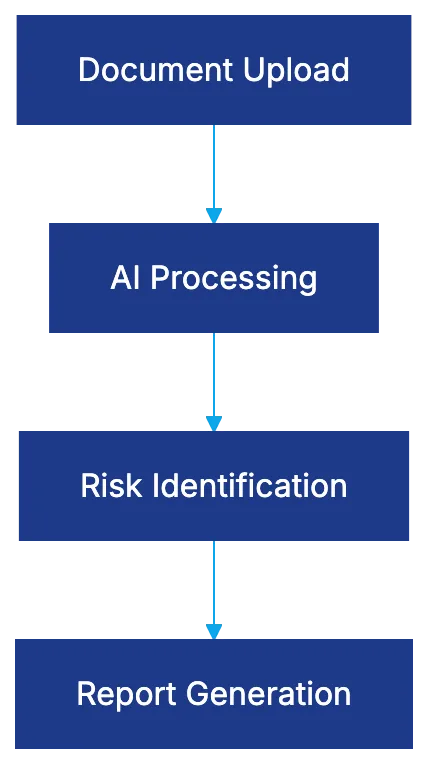
Mergers and acquisitions generate vast document volumes, historically needing many associates working marathon hours. A mid-sized M&A transaction may involve reviewing 50,000 to 100,000 documents, while larger deals entail millions. Traditionally, you either had a budget for a complete review or made educated guesses. AI due diligence tools significantly alter this landscape. These platforms use machine learning models trained on millions of legal documents to extract clauses, identify risks, and flag anomalies at high speeds. However, not all AI document review M&A solutions are equal. Some use generic language models that struggle with legal nuance, while others are geared for M&A workflows and tested against accuracy benchmarks. This guide examines twelve AI due diligence tools based on their technical capabilities, accuracy metrics, adoption rates, and utility in buy-side and sell-side scenarios.
AI Due Diligence Document Processing Flow:
Luminance: Legal-Specific Language Models
Luminance built its reputation by understanding that general-purpose NLP applied to legal documents yields unreliable results. It developed the Legal Pre-trained Transformer (LPT), trained on over 150 million verified legal documents. Legal language has structural peculiarities that generic models often miss.
The platform extracts over 1,000 legal concepts without requiring custom models, covering standards like change of control provisions and indemnification caps. It supports 80+ languages, useful for cross-border deals.
More than 600 organizations across 70 countries, including the Big Four accounting firms, use Luminance. It offers automated risk scoring and anomaly detection, flagging deviations in documents.
Kira Systems: Market Leader in M&A Firms
Kira Systems, part of Litera, is used by many Am Law 100 and 84% of top 25 M&A firms. These are not trials but embedded in actual deal workflows, processing over 450,000 documents monthly.
Recognized as a Tier 1 Contract Review platform by Legaltech Hub in 2024 and 2025, Kira features 1,400+ pre-built smart fields for specific contract provisions. Its Quick Study feature allows teams to train custom models quickly.
Kira’s performance on the CUAD benchmark with F1 scores above 0.85 in M&A provisions is noteworthy.
Evisort: AI-Native Architecture
Evisort was designed around machine learning, trained on over 11 million contracts and over a billion data points. It stands out with its ISO/IEC 42001 certification for AI governance, simplifying documentation.
The platform manages due diligence workflows and remains useful post-close, managing obligations from acquired contracts. It has accuracy ratings between 80-88% for common provisions and offers workflow automation.
Datasite: AI-Powered Virtual Data Rooms
Datasite, a virtual data room provider, integrates AI capabilities to reduce workflow friction.
Features include automated redaction and semantic search, enhancing document analysis efficiency. Its AI summarizes documents into executive summaries within Datasite’s existing security infrastructure, ensuring confidentiality.
Intralinks: Deal Workflow Automation
Intralinks focuses on workflow automation with decades of data room experience. It organizes uploaded documents into appropriate folders using content analysis.
With 85-90% accuracy in categorizing standard business documents, it saves sorting time. AI-assisted Q&A workflows provide draft responses based on document content.
Ansarada: AI-Driven Deal Readiness
Ansarada targets the sell-side preparation phase, offering AI-driven analysis for deal readiness. It identifies document gaps and quality issues, creating a smoother sell-side process.
For buy-side teams, it offers AI analysis of data rooms, identifying patterns and inconsistencies.
Drooms: Multilingual AI Assistant
Drooms, strong in European markets, focuses on multilingual capabilities. Its AI Assistant streamlines data room management through automatic document naming and multilingual classification.
It offers automated document translation and maintains EU-based GDPR-compliant data centers.
ContractPodAi: End-to-End CLM with M&A Focus
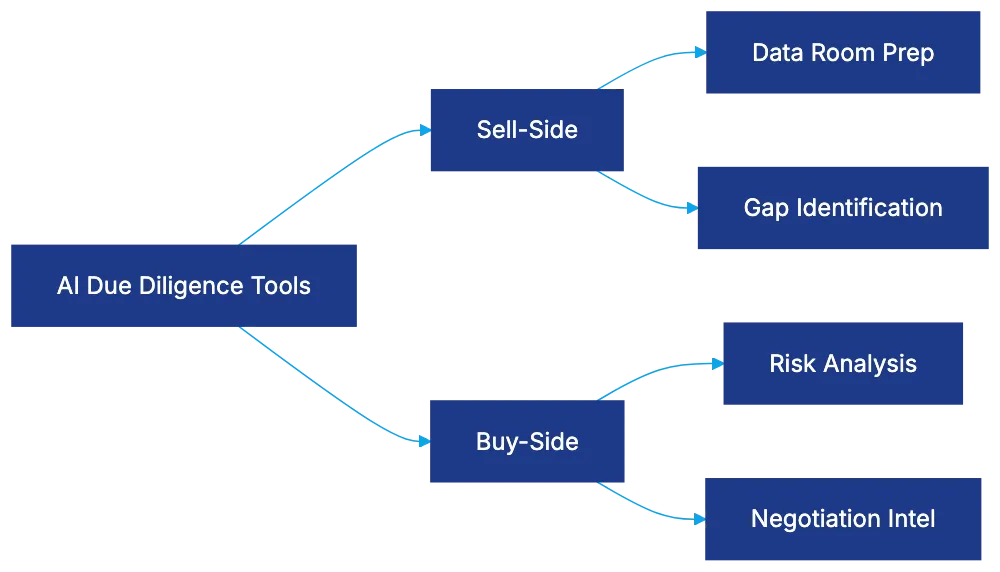
Sell-Side vs Buy-Side AI Use Cases:
ContractPodAi combines contract lifecycle management with M&A due diligence, serving contract management and transaction review needs. It extracts data points, populates searchable fields, and supports workflow automation.
Its subscription-based model offers flexibility for M&A engagements, ensuring client data confidentiality.
Litera Contract Companion: Integrated Suite Approach
Litera uses an integrated suite approach through acquisitions like Kira Systems, offering comprehensive M&A tools. It combines document analysis, comparison, and compilation without requiring separate platforms.
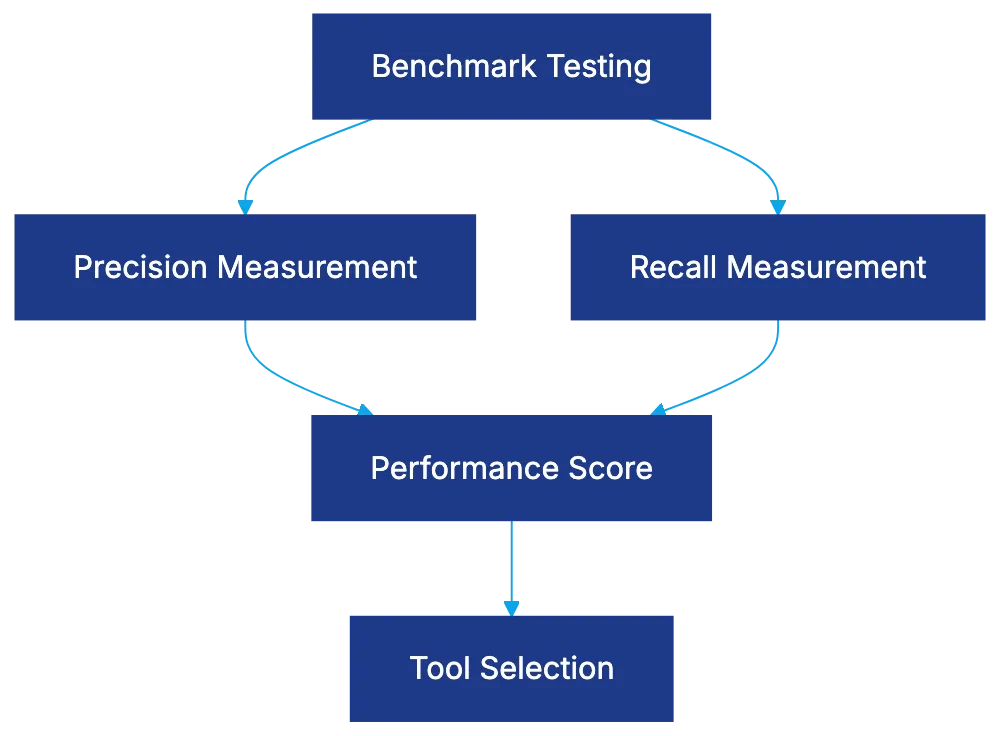
AI Accuracy Evaluation Framework:
Pricing follows Litera’s subscription model, suitable for firms doing regular M&A work.
iManage: AI in Document Management Infrastructure
iManage integrates AI due diligence within its document management, offering seamless adoption for firms and departments. The RAVN AI engine provides automatic extraction and risk identification, updating in real-time.
With semantic search within iManage’s secure structure, it ensures compliance with industry standards.
Security Requirements Across AI Due Diligence Tools
Uncompromised security is critical for M&A. Mandatory AES-256 encryption, multi-factor authentication, permission controls, and comprehensive audit trails are essential. Vendors should contractually agree not to use your data for training other models.
Sell-Side vs. Buy-Side Use Cases
AI tools serve distinct sell-side and buy-side purposes. Sell-side tools prepare data rooms and identify gaps, while buy-side tools focus on risk identification and negotiation leverage.
Tools provide report formats for each side, from polished buyer materials to internal analysis for risk assessment.
Accuracy Benchmarks and Real-World Performance
Understanding AI tool accuracy is crucial. Evaluate performance using benchmarks like CUAD, focusing on precision and recall. Acknowledge performance variances due to document complexities, adjusting expectations.
Optimizing for higher recall addresses false negatives, which pose greater risks in M&A.
Bottom Line
Choosing the best M&A due diligence software depends on specific needs. Choose tools like Kira Systems for regular M&A work or Evisort and ContractPodAi for contract management. Data room providers with AI capabilities, like Datasite, Intralinks, or Ansarada, offer streamlined systems.
Accuracy and security guide your choice, ensuring time savings and confidentiality across deals.
Frequently Asked Questions
What are the main benefits of using AI due diligence tools in M&A?
AI due diligence tools enhance efficiency by automating the document review process, significantly reducing the time needed for thorough analysis. They identify risks, extract relevant clauses, and flag anomalies faster than human reviewers, which can lead to more informed decision-making during transactions.
How do AI tools differ between sell-side and buy-side scenarios?
Sell-side tools aid in preparing data rooms and identifying document gaps, making the process smoother for sellers. Conversely, buy-side tools focus on risk identification and provide insights helpful for negotiation, allowing buyers to assess potential issues more effectively.
What factors should I consider when choosing an AI due diligence tool?
When selecting an AI tool, consider its technical capabilities, accuracy metrics, security features, and how well it integrates with your existing systems. Assess whether the tool is specifically designed for legal documents and if it has been benchmarked against relevant industry standards.
Are AI due diligence tools secure for handling sensitive information?
Yes, many AI due diligence tools implement strong security measures, including AES-256 encryption, multi-factor authentication, and strict permission controls. It's essential to confirm that vendors comply with industry security standards and do not use your data for training other models.
What should I know about the accuracy of AI document review tools?
Accuracy can vary significantly between tools and may depend on the complexity of the documents being reviewed. It's important to evaluate a tool's performance using benchmarks like CUAD, focusing on metrics such as precision and recall to get a clearer picture of its effectiveness.
Can AI due diligence tools support multilingual transactions?
Yes, some platforms, like Drooms, are equipped with multilingual capabilities, providing features such as automated document translation and classification in multiple languages. This is particularly useful for cross-border M&A transactions where diverse document sets are involved.
How do AI tools improve the contract management process after a merger or acquisition?
AI tools like Evisort and ContractPodAi continue to deliver value post-acquisition by managing obligations and contractual obligations. They automate tracking and compliance, making it easier to oversee contracts and ensuring adherence to agreed-upon terms after the transaction is completed.
Related Articles

E-Discovery Platform Selection Guide for 2026
Discover the top e-discovery platforms with AI, pricing insights, and TAR capabilities for efficient litigation management.
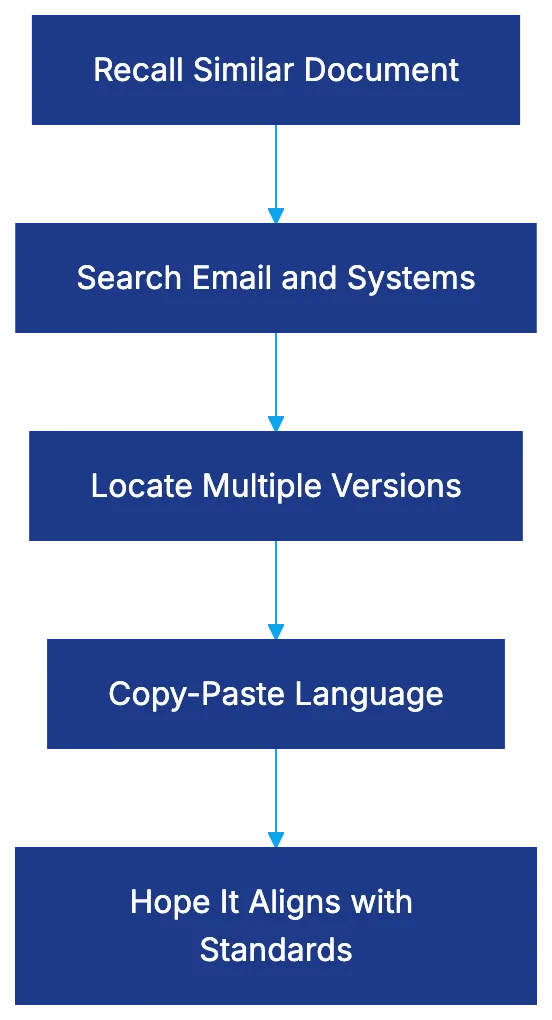
The Importance of Clause Libraries in Legal Practice
Explore how clause libraries enhance contract management efficiency and compliance in legal practices through standardized language.

Robin AI: Transforming Legal AI with Human Verification
Discover how Robin AI combines AI and human expertise for accurate contract review, contrasting with traditional software solutions.